-
Announcements

Important Announcement About the Future of Shameless
Thank you for your support over many years. We hope that Shameless has inspired and moved you to action. READ MORE
-

“Yellow Fever” and the Hypersexualization of Asian Women in Film
Illustration by Beena Mistry In Stanley Kubrick’s 1987 war film Full Metal Jacket, Papillon Soo-Soo plays a Vietnamese sex worker soliciting American GIs. Scantily clad in a leather slit skirt and teetering high heels, she takes a long, slow drag on her cigarette and recites the lines, “Me so horny. Me love you long time.” The term became sensationalized. You might have heard female vocals ooze the phrase in a 1989 2 Live Crew track. It was … READ MORE
-

Important Update from Team Shameless
Illustration: Beena Mistry Dear Shameless readers, You may not have received our latest publication or perhaps not read the letter from the Editor. We wanted to take a moment to share the letter from the editor on our website as Shameless is taking a moment to pause, to undertake rest, and to work through a chrysalis process so that we may emerge on the other side better equipped to do our work in the world. What does … READ MORE
-
In the Blog
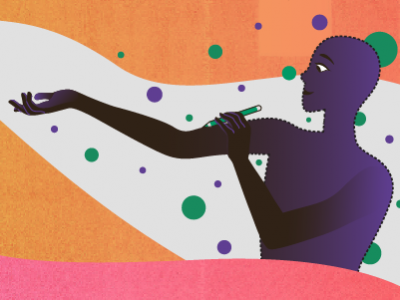
Bits and Pieces: My Latest Creative Project
“At the start of last school year, I felt entirely made of bits and pieces—stray rubble held together by the excitement of what the year had to offer but kept fractured by the inherent doubt of my own capabilities. If I’m being honest, I’ve felt pretty lost since going away to college, but I think that is because I am discovering a “me” I have never known; all my creative energy is going into creating her.” READ MORE
-

Carless in North America: Pandemic Edition
Illustration by Marlee Jennings “Just come by and pick it up.” “Curbside delivery.” “Just wait in your car.” How many times have you heard those phrases over the past two and a half years? A lot? So have I. In North America, it’s assumed that everyone has easy access to a vehicle. Being without a car in Canada or the USA puts you at a distinct disadvantage, and this has only been magnified during the COVID-19 pandemic. I … READ MORE
-

Diet culture has no place in blood donation campaigns
Illustration by Marlee Jennings As the Omicron surge took the world by storm last winter, the Red Cross declared a historic blood shortage in the U.S., and the internet was filled with pleas for donations. While donating blood is a great way communities can come together to save lives, the information available for people planning to donate is influenced by a culture that moralizes body size and food consumption. For example, blood donation campaigns encourage donors … READ MORE
-
In the Blog
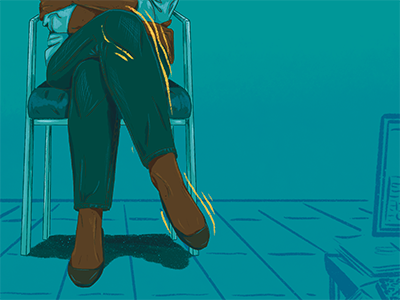
How I learned to cope with my mental health in my South Asian family
In many South Asian families, mental health is still considered taboo, with reputation and honour often taking precedence. It’s led to a dangerous culture of silence that stems from a lack of acceptance and understanding READ MORE
-
Announcements

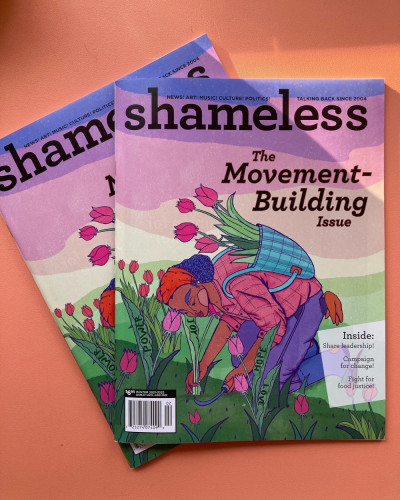
Issue 45 Out Now!
Leading on READ MORE
-
In the Blog

We Need to Stop Buying from Brandy Melville: Here’s Why
Ask anybody who came of age in the 2010s and they can describe to you the experience of being in a Brandy Melville store. That distinct, musky-yet-clean linen smell, the hangers wrapped in clothing scraps, the muted florals and lace trims, the feeling of inferiority to the workers. This was a time when the dominant aesthetic was the effortlessly beautiful and skinny, cut-off shorts and ugg-boot wearing Tumblr Girl. I remember scrolling through Tumblr with my … READ MORE
-
In the Blog

It’s Time For The Feminist Movement To Leave TERFs Behind
Using feminism to justify anti-trans sentiment is nothing new — it’s been a tactic since the origin of radical feminism in the 1960s and 70s. What is new is the rise in platforming transphobic rhetoric in Canadian mainstream media. READ MORE
-
In the Blog
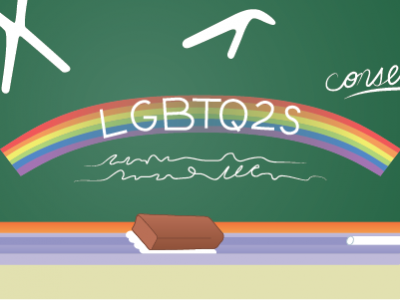
Whatever Happened to Ontario’s Sex Ed Curriculum? The Complete Timeline
After a decade of ongoing controversy, what is the full story of sex education in Ontario? What kind of curriculum do we have now? And more importantly, how exactly have the affected students made their voices heard along the way? READ MORE
-
Announcements

Issue 44 Out Now!
Working at the pace of care READ MORE
-
In the Blog

Help! I can’t stop oversharing on Instagram
The first time I deactivated my Instagram was in December of 2020. It was the week after my 19th birthday. Ontario as a province was at the peak of COVID-19, we were in yet another lockdown/stay-at-home order, my dab pen was my bestie. READ MORE
-
In the Blog

How to create a comfortable and efficient workspace for marginalized workers
There is so much to be done when it comes to policies concerning the unique struggles all those employees of marginalized genders face in the workplace, and which demand unique solutions READ MORE
-
Announcements

Applications Open: The Youth Feminist Media Project Incubator!
Shameless is thrilled to announce the feminist media project incubator, open to youth 13-19 across Canada. READ MORE
-
In the Blog

How Moose Hide Campaign founder Raven Lacerte is spreading medicine across Canada
Much like Indigenous people have long been utilizing resources of the land as remedies, the Moose Hide Campaign is engaging Canadian communities in meaningful dialogue to spark healing READ MORE
-
In the Blog

To Exist Outside of a Culture of “Hustling”
When it comes to “girl bosses,” hustle culture has become an extension of a commoditized and branded feminism – with Black women its biggest victims. READ MORE
-
In the Blog
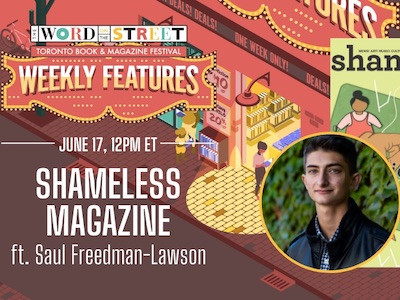
Word on the Street Toronto Weekly Feature: Interview with Saul Freedman-Lawson
Word on the Street Toronto Weekly Feature: Interview with Saul Freedman-Lawson, Shameless Youth Advisory Member! READ MORE
-
Announcements

Call for Bloggers!
Shameless Magazine, Canada’s independent, feminist voice for teens with marginalized genders, is building a team and community network of regular contributors to the blog. We are envisioning building a supportive space for writers of all experience levels to share their work, collaborate, and connect with each other. READ MORE
-
Announcements

POSITION: Director of Operations and Publishing
TIME COMMITMENT: approx. 5-10 hrs/week plus regular meetings/commitments as follows: Attend team meetings (2hrs/month) Attend board meetings and provide business updates (2 hours/quarter) With board, help to organize AGM (3 hours/year) Minimum commitment (2 years) Shameless is a volunteer-run magazine; we offer a $50 honorarium per issue for all positions. However, we intend to undergo a strategic planning process to address how this labour is compensated moving forward. As the incoming director of operations and publishing, you will have … READ MORE



© Shameless Media | Advertise with us! | Contact Us | Privacy Policy | Creative:// The Public | Development:// Amphibian